Electrify Your Home

Electrify Your Home: No Flames, No Fumes, No Fuss

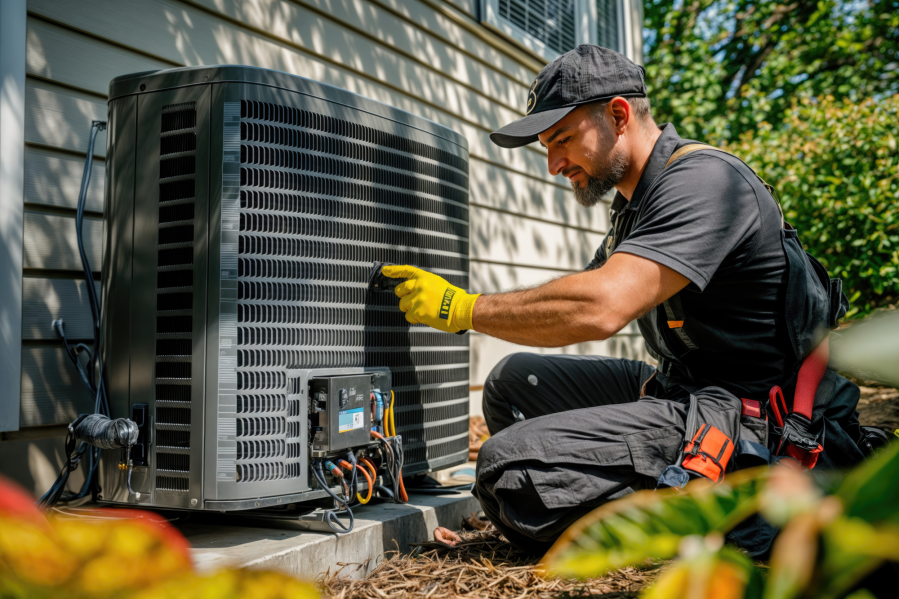
This August, Citizens’ Climate Lobby is focused on one of its core issues: electrification.

But why should we electrify our homes?

  • With fossil fueled appliances in our home, the air we breathe inside is often dirtier than the air outside of them. Electrifying helps ensure your home is a safe haven, rather than a safety hazard.
  • Outdated, fossil fueled appliances use energy less efficiently, which drives up your energy usage – and your bills. When you electrify, your appliances will perform better and save you money in the long run.
  • Your wallet will thank you for electrifying your home. The incentives from the IRA: Inflation Reduction Act make it more affordable than ever. Don’t leave money on the table – take advantage of these incentives today!

CCL notes, “Fossil fuels are literally prehistoric. Bring your home into the modern age with electrification and reap the benefits of cleaner, safer energy.”

On a personal note, in the 1960s my Camp Fire troop in Southern California attended cooking classes at the local gas company. I have fond memories of those events, which were carefully orchestrated and enjoyable. Of course, we cooked on gas stoves. Today however, we know more about the health risks of gas appliances. Even the venerable chef Julia Child sang the praises of gas stoves. Vox notes in, “How the fossil-fuel lobby weaponized Julia Child’s gas stove” (November 2023):

Child had many stoves over her five-decade career, but she was famously devoted to one in particular: the Garland, a squat, six-burner gas range Child used in her home kitchen that cemented gas as her recommendation for professional and home chefs alike. The stove was so iconic that the Smithsonian has dedicated an exhibit to it.

KitchenAid shares a step-by-step guide to converting gas stoves to electric, should you be interested.

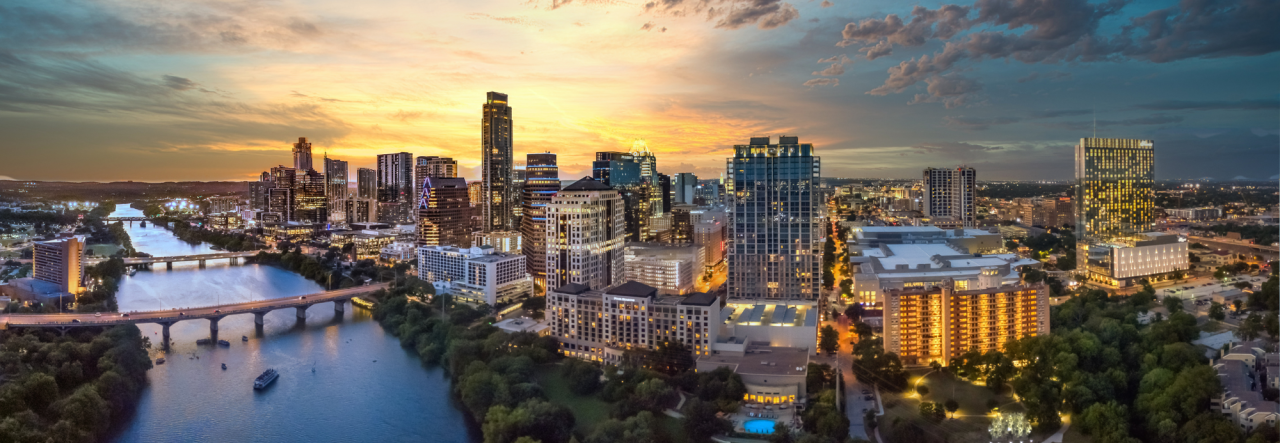
I notice that still today in Austin, there are apartment complexes being constructed with gas appliances. Some potential residents specifically look for complexes outfitted with gas appliances (see Every Austin Apartment with Gas Stoves by Everything Austin Apartments).

I am also a fan of historic home restoration and HGTV programs on that topic. The kitchens of historic homes are often outfitted with new versions of old gas stoves, so that they look just like the days when the homes were new. But is this safe?

Scientific American shares in, “The Health Risks of Gas Stoves Explained” (January 2023):

Gas stoves burn natural gas, which generates a number of invisible by-products. The biggest concern for human health is nitrogen dioxide (NO2). This gas is produced when natural gas is burned at high temperatures in the presence of nitrogen in the atmosphere, according to Josiah Kephart, an assistant professor in the department of environmental and occupational health at Drexel University. “We’ve known for a long time that [nitrogen dioxide] has many harmful effects on health,” he says.

Yet, some are still fighting to keep gas appliances in American homes. Vox notes:

In 2023, a mention doubting the safety of gas stoves made some politicians apoplectic. In January, the Consumer Product Safety Commission’s Richard Trumka Jr. set off a firestorm for raising the idea of a gas stove ban to which the Republican representative Ronny Jackson from Texas threatened “they can pry it from my cold dead hands.”

Maybe Hollywood – a key partner in the Julia Child and gas industry campaign back in the 1960s – can return to the topic of electrification, and encourage people to electrify their homes. Wouldn’t that be great!

Below you can download a helpful flier about electrifying your home courtesy of Citizen’s Climate Lobby. If you need more information, check out the CCL website and YouTube channel.

Carolyn M. Appleton, Citizens’ Climate Lobby volunteer (since 2017)

Climate change affects mental health.

May is Mental Health Awareness Month and “Solastalgia”

The American Psychiatric Association notes that ecological grief and eco-anxiety arise from the sense of loss or the anxiety people feel related to climate change, including the loss of a stable future. The term “solastalgia” has been coined to describe the nostalgia we feel for a traditional way of life destroyed by environmental changes. While eco-anxiety is a normal response to the climate emergency, “it may shape views of society and the future, leading to anger, hopelessness, or paralysis, particularly in young people.” Emotional burnout and despair can plague activists when progress towards sustainability seems to fail.

Mental Health Awareness Month was launched in 1949. Over time, climate change has become a leading cause of concern globally. In 2022, WHO: World Health Organization shared a policy brief that urges countries to include mental health support in their response to the climate crisis. The brief shares some eye-opening statistics:

There are only 13 mental health workers per 100,000 people;

25% of years lived with disability are caused by mental (14.6%), neurological (7.6%) and substance use (2.7%)
disorders;

1 billion is the number of people worldwide living with a mental disorder;

$1 trillion is the annual cost of common mental disorders; and

Only 2% of government health budgets are spent on mental health.

The World Health Organization policy brief recommends 5 approaches for governments to address the mental health impacts of climate change:

  • Integrate climate considerations with mental health programmes;
  • Integrate mental health support with climate action;
  • Build upon global commitments;
  • Develop community-based approaches to reduce vulnerabilities; and
  • Close the large funding gap that exists for mental health and psychosocial support.

What is the definition of mental health? World Health Organization defines it as, “a state of well-being in which every individual realizes his or her own potential, can cope with the stresses of life, can work productively and fruitfully and is able to make a contribution to her or his community.” This is a laudable statement and one to which all nations should aspire.

SAMHSA: Substance Abuse and Mental Health Services Administration recognizes that, “behavioral health issues resulting from climate-related disasters may include stress, anxiety, depression, posttraumatic stress disorder, and increases in both substance use and violence. Older adults, children, and individuals experiencing homelessness are more likely to be psychologically vulnerable to disasters. Populations particularly vulnerable to climate change include older adults, children, pregnant women, individuals experiencing homelessness, persons with behavioral health conditions (e.g., those taking certain psychiatric medications), people with lower incomes, individuals with limited English proficiency, migrants or refugees, communities of color, and tribes and indigenous peoples.”

We have work to do in the arena of mental health. Please make yourself aware of the resources shared in this article, and those to which we have linked below. And please consider joining Citizens’ Climate Lobby and the Austin Metro Chapter! If you get involved in our nonpartisan, forward-thinking and solution-oriented activities, you can have a positive impact and be surrounded by others who share your concerns.

Additional resources:

NAMI HelpLine | National Alliance on Mental Health

Mental Health Texas | Find a provider and more information

SAMHSA operates a Disaster Distress Helpline, and you can find it by following this link.

Texas Tribune | Guide: How to care for your mental health in the age of climate change and worsening natural disasters

Carolyn M. Appleton has been a member of Citizens’ Climate Lobby since 2017, when she took over curation duties for the @cclatx Twitter feed, which is now X. She is the author of Carolyn’s Nonprofit Blog, established in 2011.

Conservative Climate Conference: March 19-20, 2024 in Washington, D.C.

If you are ready to protect the people and places you love from extreme weather, there is no better place to be on March 19 and 20 than at the 2024 Conservative Climate Leadership Conference and Lobby Day. Meet other like-minded people and discuss practical solutions to stop the pollution that is overheating the planet. Then, spend a day speaking with Republican Senators and Representatives on Capitol Hill about what they can do to help.

This conference is designed for politically right-leaning attendees. It will be held at the Holiday Inn Washington Capitol. The agenda includes a how-to workshop, a full day of discussion, and on the second day, lobby meetings on Capitol Hill, concluding with a reception.

If you are unable to attend but would like to join in the climate conversation with other conservatives, Citizens’ Climate Lobby has a Conservative Outreach Action Team. The team’s mission is to increase the number of engaged right of center supporters in CCL and increase our organization’s effectiveness at working and communicating with people on the right, including elected officials. The team meets regularly on Zoom.

Facebook @CCLConservative
X @CCLConservative

Pew Research: 63% of Americans Say Harm to People in the U.S. from Climate Change Will Get Worse in Their Lifetime

An insightful study by Pew Research Center last fall showed a high percentage of Americans believe climate change will have a negative impact on the places where they live and work. When it comes to the personal impact of climate change, most Americans believe they will have to make at least minor sacrifices over their lifetimes because of climate change. Pew Research Center (October 2023)

What does this mean for Citizens’ Climate Lobby? We need to enlist more young people as volunteers and advocates in our work, but also, we need to do a better job of convincing people of all ages and political persuasions that climate change is a real threat. We have work to do.

An important finding of the Pew Research report that is key to Citizens’ Climate Lobby is, “when it comes to the federal government, 47% think it can help a lot to reduce the effects of climate change; 40% say this about cities and communities.”

This is where Citizens’ Climate Lobby excels. Our organization empowers people of all ages and political persuations to work together on climate policy. Our supporters are organized into more than 400 chapters across the United States – including the Austin Metro Chapter – building support in Congress for a national bipartisan solution to climate change.

In order to pass climate policy, Congress must hear a chorus of many different voices. Citizens’ Climate Lobby works with members of Congress across the political spectrum to find common ground on climate change action.

Texas in particular is at risk because of global warming. The EPA notes in its 2016 report, “What Climate Change Means for Texas”:

Texas’s climate is changing. Most of the state has warmed between one-half and one degree (F) in the past century. In the eastern two-thirds of the state, average annual rainfall is increasing, yet the soil is becoming drier. Rainstorms are becoming more intense, and floods are becoming more severe. Along much of the coast, the sea is rising almost two inches per decade. In the coming decades, storms are likely to become more severe, deserts may expand, and summers are likely to become increasingly hot and dry, creating problems for agriculture and possibly human health.

It is our hope that responsible business and elected leaders from all political viewpoints will realize climate change has – and will continue to have – a significant impact on the ever growing population of Texas. And not all of that impact will be positive. There are many things that can be done to better prepare our state and its citizens, including creating and adjusting policies at the local, state and national levels.

If you fall into the above leadership categories, reach out to Citizens’ Climate Lobby for assistance with timely, factual information. We are on point at your convenience and that of your staff members, and as always, we are nonpartisan in our approach.

To reach our Chapter, the following are available to assist, or use the secure contact form on this website to reach us. Thank you!

Media – Kalpana Sutaria: kalpana.sutaria@usa.net
Lobbying – Bruce Miglin: bmiglin@comcast.net
Group Organization and Development – Cynthia Lesky: cynthia.lesky@gmail.com
Grassroots (tabling) – Jessy Eubanks: jessyeubanks@gmail.com


United States Senate

Constitution of the United States

Written in 1787, ratified in 1788 … the United States Constitution is the world’s longest surviving written charter of government. Its first three words – “We The People” – affirm that the government of the United States exists to serve its citizens. The supremacy of the people through their elected representatives is recognized in Article I, which creates a Congress consisting of a Senate and a House of Representatives. The positioning of Congress at the beginning of the Constitution affirms its status as the “First Branch” of the federal government.

You Can Help Citizens’ Climate Lobby Today

The Austin Metro Chapter of Citizens’ Climate Lobby appreciates your interest and support in 2023. We are sharing three action items we hope you will consider. Thank you!

Our BIG ask: Cosponsor the BIG WIRES Act | Action requested within 10 days of this posting.

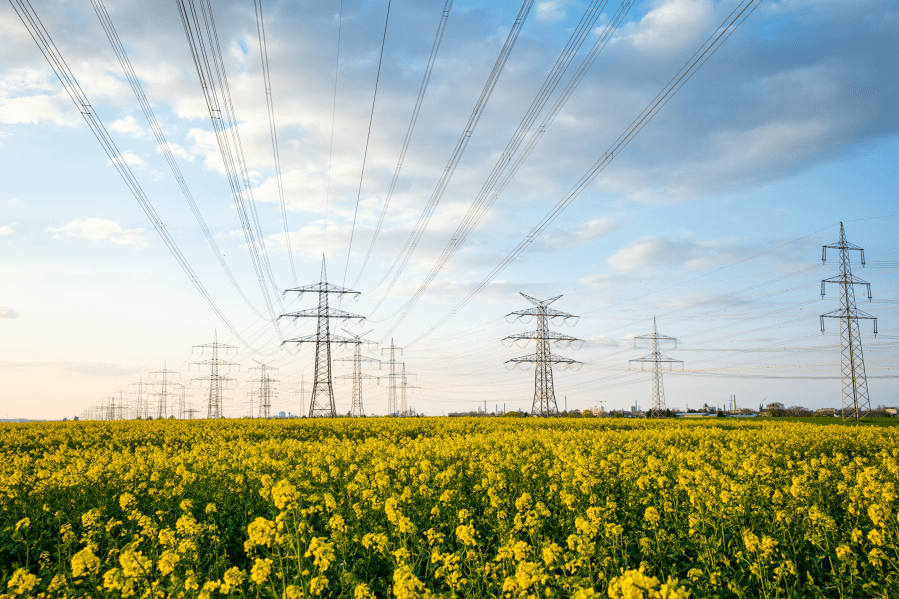
Better energy transmission is key to successful permitting reform. The BIG WIRES Act (H.R.5551/S.2827) has been introduced in the Senate and the House. It has the potential to pass as part of a Congressional funding package this year.

Ask your members of Congress to cosponsor the BIG WIRES Act by following this link to the national website of Citizens’ Climate Lobby. Make America’s energy grid more resilient and reliable! Encourage states to build infrastructure we need to move to clean energy! This could pass as part of a end-of-year omnibus package. Americans deserve a reliable power grid and affordable clean energy, and this bill would help make that a reality.

Donate to the world’s most effective climate advocates!

We empower regular people across the country to build support for climate policies in their communities and in Congress. As a nonpartisan organization, we bring people from across the political spectrum together on climate action.

Our climate advocacy builds renewed hope for solving climate change – exactly what we need to push for a clean energy future.

Donations made to 501(c)(3) Citizens’ Climate Education are tax deductible. If you are able to make a non-tax-deductible donation, you can donate to 501(c)(4) Citizens’ Climate Lobby.

To review our Platinum seal GuideStar profile, follow this link. Thank you! Gifts are greatly appreciated on Giving Tuesday and any time during the year.

Join the Austin Metro Chapter via the secure online platform of Citizens’ Climate Lobby. We meet (in-person and virtually) on the second Saturday of each month in conjunction with the national organization’s monthly call. By signing up on the platform, you can join different action teams that suit your interests and learn about upcoming meetings and conferences. Nationally and locally organized training programs are available year-round. Contact austin@citizensclimatelobby.org for more information.

If you have already signed up, will you kindly share this page with family and friends? Thank you.