Texas climate disaster

Texans are Counting on Sen. Ted Cruz to do the Right Thing on Climate Change

Re: Nov. 17 op-ed. Ted Cruz has a chance to lead on climate change. Texans should demand it.

As a Texan who is deeply concerned about the effects of global warming on millions of people in Texas, I want Sen. Ted Cruz to listen to all his constituents. We have lived through wildfires, hurricanes, floods, winter storms and droughts. According to the National Oceanic and Atmospheric Administration, our state has a distinction of having 188 weather disasters from 1980 to 2024, with losses exceeding $1 billion each. Millions of Texans have suffered physically, mentally and financially.

While overseeing the Senate Commerce, Science and Transportation Committee we want Sen. Cruz to work for the safety and welfare of all people across our country to reduce risks and losses. The majority of U.S. citizens want elected leaders to address the climate crisis by working together like Sen. John McCain did. It is not a partisan issue; global warming affects all of us. You can do it Sen. Cruz!

Kalpana Sutaria, Project Manager, City of Austin and Member, Austin Metro Chapter, Citizens’ Climate Lobby

Published by the Austin American-Statesman

November 24, 2024

Heat Pump

Upgrading Homes and Buildings Can Reduce Emissions and Save You Money: Austin Energy Can Help

Electrification of homes and buildings has been a core focus area of Citizens’ Climate Lobby for the past few years. The best way to reduce appliance emissions is to switch to clean energy and, “to increase the efficiency with which we use all forms of energy to provide the services we want – heating, cooling, cooking, lighting, and more.” Did you know, furnaces generally last 15 to 20 years and hot water heaters 8 to 12 years. Hence, it is essential that we start now to accelerate the process of converting these appliances to clean energy.

Upgrading homes and other buildings can both reduce emissions and save people money. Buildings currently represent over 30% of emissions in the United States. About 10% of building emissions come directly from onsite burning of fossil fuels and almost all the rest from generating the electricity buildings use. The biggest sources of direct emissions are space and water heaters, but stoves and clothes dryers are other examples in the residential sector.

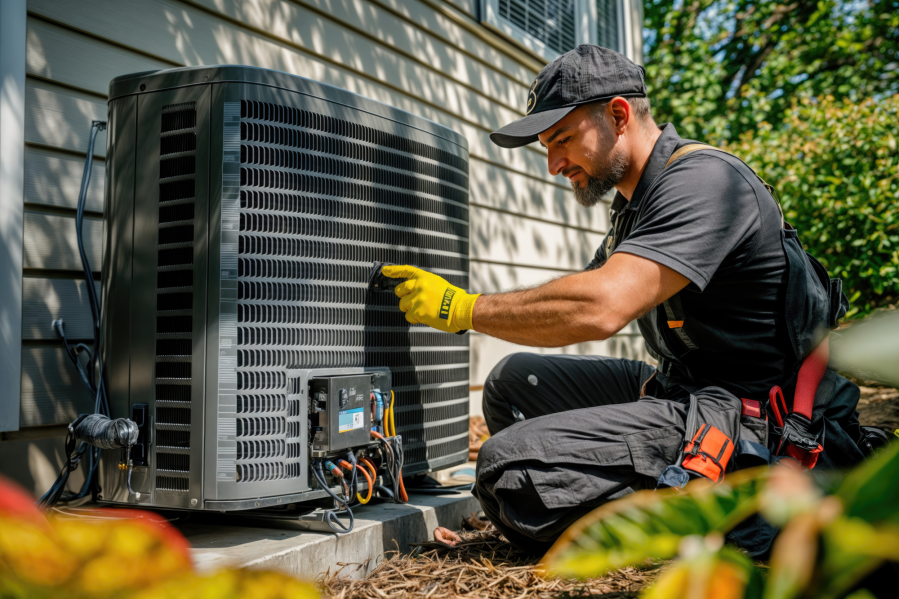
Austin Energy has an smart incentive program to help you convert to electric appliances of all kinds, from thermostats to Energy Star refrigerators, heat pump water heaters, clothes dryers, and freezers. If you are putting of replacing your old appliances, now might be the time to take advantage of these discounts! Click on the image below to reach the Austin Energy discount website.

Citizens’ Climate Lobby has developed an electrification fact sheet you can keep handy to refresh your memory about the importance of electrification.

Follow the link to reach the CCL advanced information page on building electrification and efficiency. It is packed with facts!

Health is another critical reason we should switch to electricity. A 2020 report by Rocky Mountain Institute (RMI) cited research from MIT showing that “combustion emissions from the building sector now contributes to the largest share (37 percent) of premature deaths associated with air pollution, compared to other sectors like transport, industry, and power generation.” Unvented gas stoves produce indoor nitrogen oxides, carbon monoxide, and benzene pollution that can harm human health, including a 24 to 42% increased risk of childhood asthma!

Questions? Reach out to Dana Nuccitelli, Research Coordinator of Citizens’ Climate Lobby. Dana is an environmental scientist and climate journalist with a Master’s Degree in physics. He has written about climate change since 2010 for Skeptical Science, for The Guardian from 2013 to 2018, and since 2018 for Yale Climate Connections. In 2015 he published the book ‘Climatology versus Pseudoscience’, and he has also authored ten peer-reviewed climate studies, including a 2013 paper that found a 97% consensus among peer-reviewed climate science research that humans are the primary cause of global warming. Follow the link above to read more about Dana and to find his email address.

Email Congress!

CCL Action Items and Upcoming Events

The fall has arrived and Citizens’ Climate Lobby could use your help.

As you may have read, this summer, Sen. Joe Manchin (I-WV) and Sen. John Barrasso (R-WY) introduced the Energy Permitting Reform Act of 2024 (S.4753). “Expert analysis from the most trusted climate and energy modelers finds this legislation could reduce America’s climate pollution up to 25% by 2050. That means Congress could notch a huge climate win by passing this bill!”

The bill has recently passed the Senate Energy and Natural Resources Committee, so it has momentum. Now, it’s time for us to help push this bill across the finish line. We believe there’s a real opportunity for this to pass before the end of this Congress — but there are only a few months left to make it happen. Thank you for taking the time.

In addition, the Higher Education and National Youth Action Teams of Citizens’ Climate are teaming up for a youth-driven campaign to get out the climate vote in 2024. The Climate GOAT Campaign is our way of channeling our superpower as authentic champions of the need for climate action to mobilize climate voters.

If you’re ready to use your voice to help the people you care about prioritize climate when they vote this year, sign up right now to join us on the Empower app.

Last but not least, please join us at these upcoming events:

  • If you are in the Greater Austin region, join Citizens’ Climate Lobby Austin for happy hour on Sunday, September 22 from 12:30 to 2:00 p.m. at The ABGB, 1305 W. Oltorf, Austin 78704.
  • 10th Annual Third Coast+ Regional Conference: Activating Climate Champions for our Planet and our Future, September 28 in Galveston. You can also register via Eventbrite.

Very best wishes!

CCLATX Logo
Clean energy

Keep Texas a Leader in Clean Energy Investments

In response to the August 18 op-ed, “By embracing free-market policies, Texas can be the leader in energy.”

Texas is already a leader in oil, gas and renewable energy production. It is the biggest emitter of greenhouse gas emissions in the U.S. Increased methane emissions from new natural gas power plants without adhering environmental measures will impact health and productivity of Texas workers.

The Inflation Reduction Act (IRA) provides investment incentives which would spur clean energy growth and reduce polluting emissions. According to E2, 334 major clean energy and clean vehicle projects were announced in the first two years of the IRA with $126 billion in investments and 109,000 jobs. Red states and GOP congressional districts are benefitting the most and Texas is one of top five states. The IRA also has incentives for agriculture, carbon dioxide removal and new technologies.

We want Texas to remain a leader in clean energy investments which are environmentally responsible to support growth, reduce polluting emissions and improve quality of life.

Kalpana Sutaria, Project Manager, City of Austin and Member, Austin Metro Chapter, Citizens’ Climate Lobby

Published by the Austin American-Statesman 

August 25, 2024

Electrify Your Home

Electrify Your Home: No Flames, No Fumes, No Fuss

This August, Citizens’ Climate Lobby is focused on one of its core issues: electrification.

But why should we electrify our homes?

  • With fossil fueled appliances in our home, the air we breathe inside is often dirtier than the air outside of them. Electrifying helps ensure your home is a safe haven, rather than a safety hazard.
  • Outdated, fossil fueled appliances use energy less efficiently, which drives up your energy usage – and your bills. When you electrify, your appliances will perform better and save you money in the long run.
  • Your wallet will thank you for electrifying your home. The incentives from the IRA: Inflation Reduction Act make it more affordable than ever. Don’t leave money on the table – take advantage of these incentives today!

CCL notes, “Fossil fuels are literally prehistoric. Bring your home into the modern age with electrification and reap the benefits of cleaner, safer energy.”

On a personal note, in the 1960s my Camp Fire troop in Southern California attended cooking classes at the local gas company. I have fond memories of those events, which were carefully orchestrated and enjoyable. Of course, we cooked on gas stoves. Today however, we know more about the health risks of gas appliances. Even the venerable chef Julia Child sang the praises of gas stoves. Vox notes in, “How the fossil-fuel lobby weaponized Julia Child’s gas stove” (November 2023):

Child had many stoves over her five-decade career, but she was famously devoted to one in particular: the Garland, a squat, six-burner gas range Child used in her home kitchen that cemented gas as her recommendation for professional and home chefs alike. The stove was so iconic that the Smithsonian has dedicated an exhibit to it.

KitchenAid shares a step-by-step guide to converting gas stoves to electric, should you be interested.

I notice that still today in Austin, there are apartment complexes being constructed with gas appliances. Some potential residents specifically look for complexes outfitted with gas appliances.

I am also a fan of historic home restoration and HGTV programs on that topic. The kitchens of historic homes are often outfitted with new versions of old gas stoves, so that they look just like the days when the homes were new. But is this safe?

Scientific American shares in, “The Health Risks of Gas Stoves Explained” (January 2023):

Gas stoves burn natural gas, which generates a number of invisible by-products. The biggest concern for human health is nitrogen dioxide (NO2). This gas is produced when natural gas is burned at high temperatures in the presence of nitrogen in the atmosphere, according to Josiah Kephart, an assistant professor in the department of environmental and occupational health at Drexel University. “We’ve known for a long time that [nitrogen dioxide] has many harmful effects on health,” he says.

Yet, some are still fighting to keep gas appliances in American homes. Vox notes:

In 2023, a mention doubting the safety of gas stoves made some politicians apoplectic. In January, the Consumer Product Safety Commission’s Richard Trumka Jr. set off a firestorm for raising the idea of a gas stove ban to which the Republican representative Ronny Jackson from Texas threatened “they can pry it from my cold dead hands.”

Maybe Hollywood – a key partner in the Julia Child and gas industry campaign back in the 1960s – can return to the topic of electrification, and encourage people to electrify their homes. Wouldn’t that be great!

Below you can download a helpful flier about electrifying your home courtesy of Citizen’s Climate Lobby. If you need more information, check out the CCL website and YouTube channel.

Carolyn M. Appleton, Citizens’ Climate Lobby volunteer (since 2017)
Galveston

CCL Third Coast Regional Conference: September 28, 2024

The 10th Annual Third Coast Regional Conference will be held in Galveston, Texas on September 28, 2024. This year’s conference theme is: “Activating Climate Champions for our Planet and our Future.”

The focus of this year’s gathering underscores the vital role our individual voices play in driving change and empowering others.

Follow the link to read more. We hope to see you there!

Writing Postcards Helps Get Out the Vote

Texas Postcard Project: Join Us!

Citizens’ Climate Lobby “Third Coast” and its constituents across Texas hope to write 40,000 postcards to get out the vote. We have 40,000 names and addresses of registered voters who care about climate change, but who don’t often vote. And we need your help.

There will be two online trainings to share why postcards matter, and how you can help specifically. Follow the link(s) to register on Eventbrite. Each session should last approximately 45 minutes:

You can also simply sign-up to write postcards on our Google form. Financial donations to help offset the cost of postcard stamps would also be greatly appreciated. Donations are tax deductible. In-kind stamp donations are also welcome.

Writing postcards and mailing them to our fellow registered voters accomplishes several key goals of Citizens’ Climate Lobby.

  • Influence Climate Legislation: Our work to pass key climate legislation is easier when more elected officials are climate advocates.
  • Impact of Get Out the Vote Programs: Many elections hinge on voter turnout. GOTV programs are critical to winning elections.
  • Focus on Unlikely Voters: We target registered voters who care about climate action but are classified as unlikely voters, unlike typical campaign efforts that focus on likely voters.
  • Targeted Voter List: We have a list of Texans in competitive state or federal districts where Get Out the Vote can make a significant impact due to gerrymandering.
  • Importance of Local and State Elections: These elections matter. GOTV can make a difference in local and state elections. Postcards are a commonsense way to share your concerns and those of Citizens’ Climate Lobby.
  • Effective and Low-Cost: Research shows that hand-written postcards with the right message are one of the most effective and affordable ways to influence voters. We provide brief training and clear instructions.

Sign up online and let us know how you would like to help!

Vote!
Washington, D.C.

Watch CCL’s Summer Conference Online

Join 1,000+ people from across the country – including some of our own volunteers from Austin – to tell Congress that later is too late to stop the pollution overheating the planet.

Although registration for the in-person conference is now closed, you can watch most of the conference online by registering on Zoom, or by watching the CCL YouTube channel.

June 8-11, 2024

Conference speakers and sessions cover a broad range of topics. Among them are:

  • Near-term opportunities for climate policy in Congress.
  • Bridging partisan divides that keep us from acknowledging the scope of the problem.
  • Making climate change a top priority in every 2024 election.

Citizens’ Climate Lobby (CCL) is a nonprofit, nonpartisan, grassroots advocacy climate change organization focused on national policies to address the national and global climate crisis.

Our consistently respectful, nonpartisan approach to climate education is designed to create a broad, sustainable foundation to drive climate action across all geographic regions and political inclinations. By building upon shared values rather than partisan divides, and empowering our supporters to work in keeping with the concerns of their local communities, we work towards the adoption of fair, effective, and sustainable climate change solutions.

You can join the Austin chapter by following this link. There are also other regional teams you might like to consider. If you sign up to join CCL (which is free of charge), then you can complete your profile and you will receive important notifications direct to your inbox.

Texas and Regional Chapters

Thank you for your interest in our work. We hope you will share our website and posts with family and friends. And if you have questions – including members of the media – please use the secure contact form provided on this website.

Washington, D.C.
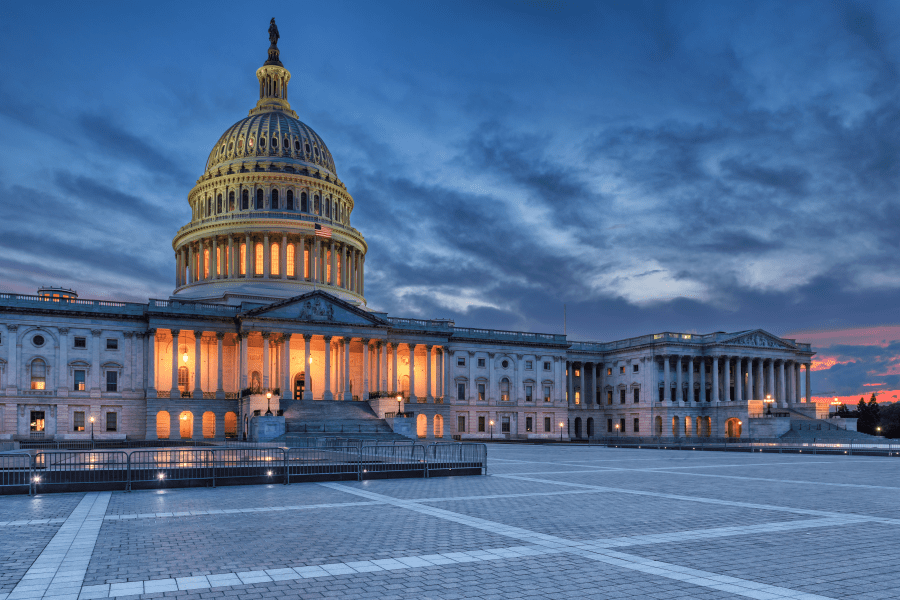
Thanks to Adobe for this beautiful photograph of Washington, D.C.

Response to April 27 Article, “Texas insurance among most expensive in nation”

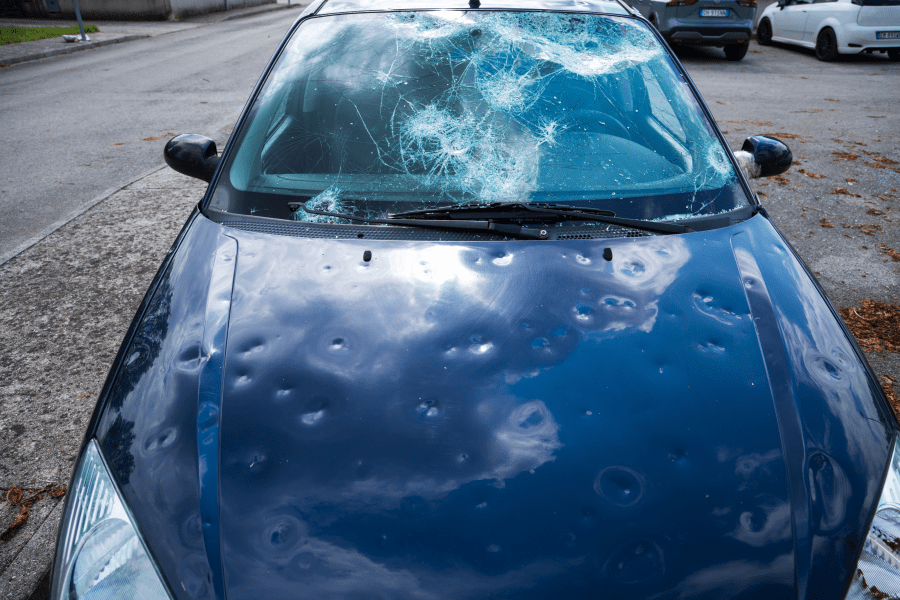
The year 2023 was not only the hottest year since 18501 but it was a particularly expensive time for storm damage, mainly because of hail. In fact, hail of at least 1 inch fell over 10 million homes and apartment buildings in the U.S. from mid-March through November. Texas led the nation in the number of buildings damaged2.

North Austin and Round Rock residents were hit by a hailstorm in August that severely damaged my roof. In September both Travis and Williamson Counties suffered the costliest hail damage. Insurance companies in Texas are raising the costs to protect their businesses in vulnerable states.

Who suffers? Common people who must pay high insurance or are left with options that degrade lives. Climate change intensifies storms that increase damages. Ask your lawmakers to take actions to reduce global warming from fossil fuels, transition to clean energy future and improve well being of Texans.

Kalpana Sutaria

Project Manager, City of Austin and Member, Austin Metro Chapter, Citizens’ Climate Lobby

Submitted to the Austin American-Statesman

May 2024

References

Climate change affects mental health.

May is Mental Health Awareness Month and “Solastalgia”

The American Psychiatric Association notes that ecological grief and eco-anxiety arise from the sense of loss or the anxiety people feel related to climate change, including the loss of a stable future. The term “solastalgia” has been coined to describe the nostalgia we feel for a traditional way of life destroyed by environmental changes. While eco-anxiety is a normal response to the climate emergency, “it may shape views of society and the future, leading to anger, hopelessness, or paralysis, particularly in young people.” Emotional burnout and despair can plague activists when progress towards sustainability seems to fail.

Mental Health Awareness Month was launched in 1949. Over time, climate change has become a leading cause of concern globally. In 2022, WHO: World Health Organization shared a policy brief that urges countries to include mental health support in their response to the climate crisis. The brief shares some eye-opening statistics:

There are only 13 mental health workers per 100,000 people;

25% of years lived with disability are caused by mental (14.6%), neurological (7.6%) and substance use (2.7%)
disorders;

1 billion is the number of people worldwide living with a mental disorder;

$1 trillion is the annual cost of common mental disorders; and

Only 2% of government health budgets are spent on mental health.

The World Health Organization policy brief recommends 5 approaches for governments to address the mental health impacts of climate change:

  • Integrate climate considerations with mental health programmes;
  • Integrate mental health support with climate action;
  • Build upon global commitments;
  • Develop community-based approaches to reduce vulnerabilities; and
  • Close the large funding gap that exists for mental health and psychosocial support.

What is the definition of mental health? World Health Organization defines it as, “a state of well-being in which every individual realizes his or her own potential, can cope with the stresses of life, can work productively and fruitfully and is able to make a contribution to her or his community.” This is a laudable statement and one to which all nations should aspire.

We have work to do in the arena of mental health. Please make yourself aware of the resources shared in this article, and those to which we have linked below. And please consider joining Citizens’ Climate Lobby and the Austin Metro Chapter! If you get involved in our nonpartisan, forward-thinking and solution-oriented activities, you can have a positive impact and be surrounded by others who share your concerns.

Below are some additional resources:

Carolyn M. Appleton has been a member of Citizens’ Climate Lobby since 2017, when she took over curation duties for the @cclatx Twitter feed, which is now X. She is the author of Carolyn’s Nonprofit Blog, established in 2011.