Writing Postcards Helps Get Out the Vote

Texas Postcard Project: Join Us!

Citizens’ Climate Lobby “Third Coast” and its constituents across Texas hope to write 40,000 postcards to get out the vote. We have 40,000 names and addresses of registered voters who care about climate change, but who don’t often vote. And we need your help.

There will be two online trainings to share why postcards matter, and how you can help specifically. Follow the link(s) to register on Eventbrite. Each session should last approximately 45 minutes:

You can also simply sign-up to write postcards on our Google form. Financial donations to help offset the cost of postcard stamps would also be greatly appreciated. Donations are tax deductible. In-kind stamp donations are also welcome.

Writing postcards and mailing them to our fellow registered voters accomplishes several key goals of Citizens’ Climate Lobby.

  • Influence Climate Legislation: Our work to pass key climate legislation is easier when more elected officials are climate advocates.
  • Impact of Get Out the Vote Programs: Many elections hinge on voter turnout. GOTV programs are critical to winning elections.
  • Focus on Unlikely Voters: We target registered voters who care about climate action but are classified as unlikely voters, unlike typical campaign efforts that focus on likely voters.
  • Targeted Voter List: We have a list of Texans in competitive state or federal districts where Get Out the Vote can make a significant impact due to gerrymandering.
  • Importance of Local and State Elections: These elections matter. GOTV can make a difference in local and state elections. Postcards are a commonsense way to share your concerns and those of Citizens’ Climate Lobby.
  • Effective and Low-Cost: Research shows that hand-written postcards with the right message are one of the most effective and affordable ways to influence voters. We provide brief training and clear instructions.

Sign up online and let us know how you would like to help!

Vote!
Washington, D.C.

Watch CCL’s Summer Conference Online

Join 1,000+ people from across the country – including some of our own volunteers from Austin – to tell Congress that later is too late to stop the pollution overheating the planet.

Although registration for the in-person conference is now closed, you can watch most of the conference online by registering on Zoom, or by watching the CCL YouTube channel.

June 8-11, 2024

Conference speakers and sessions cover a broad range of topics. Among them are:

  • Near-term opportunities for climate policy in Congress.
  • Bridging partisan divides that keep us from acknowledging the scope of the problem.
  • Making climate change a top priority in every 2024 election.

Citizens’ Climate Lobby (CCL) is a nonprofit, nonpartisan, grassroots advocacy climate change organization focused on national policies to address the national and global climate crisis.

Our consistently respectful, nonpartisan approach to climate education is designed to create a broad, sustainable foundation to drive climate action across all geographic regions and political inclinations. By building upon shared values rather than partisan divides, and empowering our supporters to work in keeping with the concerns of their local communities, we work towards the adoption of fair, effective, and sustainable climate change solutions.

You can join the Austin chapter by following this link. There are also other regional teams you might like to consider. If you sign up to join CCL (which is free of charge), then you can complete your profile and you will receive important notifications direct to your inbox.

Texas and Regional Chapters

Thank you for your interest in our work. We hope you will share our website and posts with family and friends. And if you have questions – including members of the media – please use the secure contact form provided on this website.

Washington, D.C.
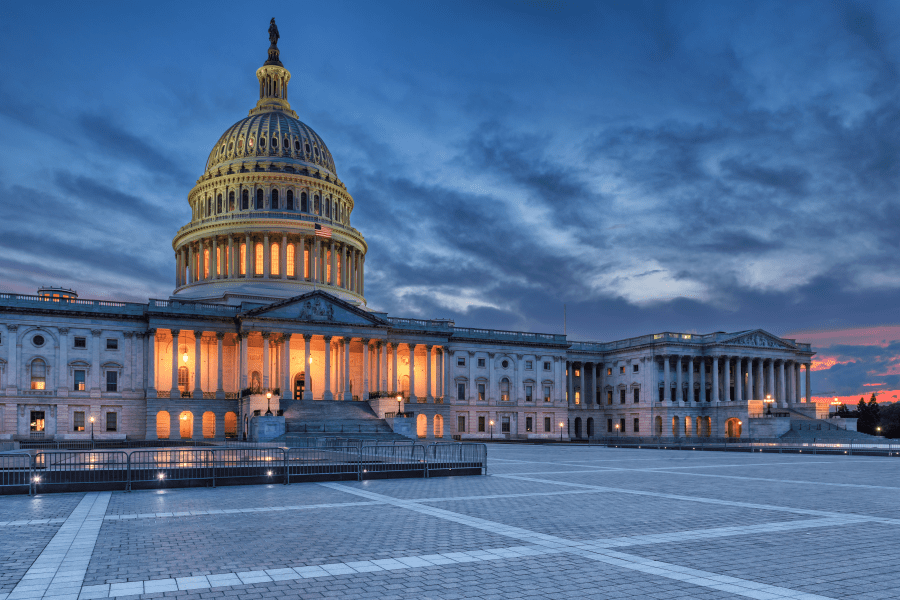
Thanks to Adobe for this beautiful photograph of Washington, D.C.

Response to April 27 Article, “Texas insurance among most expensive in nation”

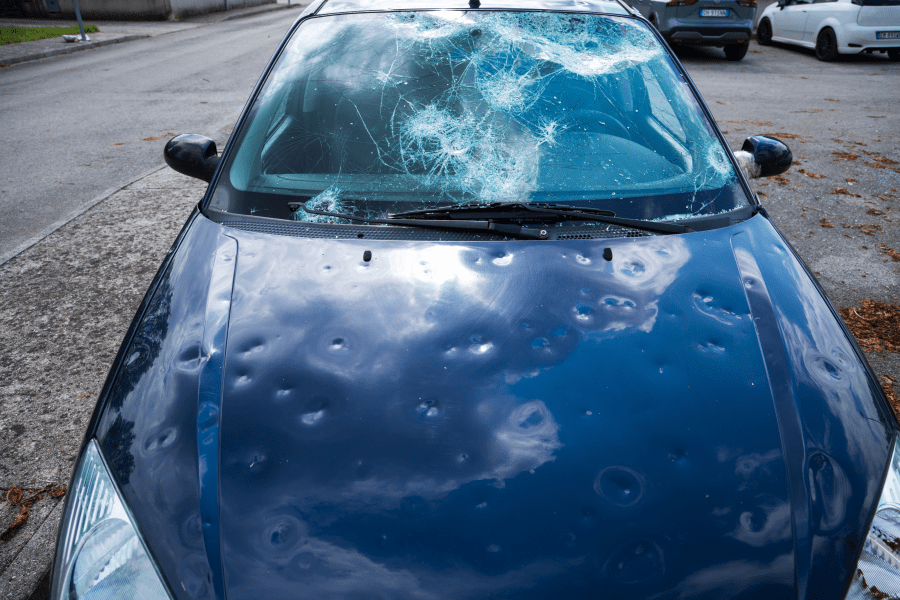
The year 2023 was not only the hottest year since 18501 but it was a particularly expensive time for storm damage, mainly because of hail. In fact, hail of at least 1 inch fell over 10 million homes and apartment buildings in the U.S. from mid-March through November. Texas led the nation in the number of buildings damaged2.

North Austin and Round Rock residents were hit by a hailstorm in August that severely damaged my roof. In September both Travis and Williamson Counties suffered the costliest hail damage. Insurance companies in Texas are raising the costs to protect their businesses in vulnerable states.

Who suffers? Common people who must pay high insurance or are left with options that degrade lives. Climate change intensifies storms that increase damages. Ask your lawmakers to take actions to reduce global warming from fossil fuels, transition to clean energy future and improve well being of Texans.

Kalpana Sutaria

Project Manager, City of Austin and Member, Austin Metro Chapter, Citizens’ Climate Lobby

Submitted to the Austin American-Statesman

May 2024

References

Climate change affects mental health.

May is Mental Health Awareness Month and “Solastalgia”

The American Psychiatric Association notes that ecological grief and eco-anxiety arise from the sense of loss or the anxiety people feel related to climate change, including the loss of a stable future. The term “solastalgia” has been coined to describe the nostalgia we feel for a traditional way of life destroyed by environmental changes. While eco-anxiety is a normal response to the climate emergency, “it may shape views of society and the future, leading to anger, hopelessness, or paralysis, particularly in young people.” Emotional burnout and despair can plague activists when progress towards sustainability seems to fail.

Mental Health Awareness Month was launched in 1949. Over time, climate change has become a leading cause of concern globally. In 2022, WHO: World Health Organization shared a policy brief that urges countries to include mental health support in their response to the climate crisis. The brief shares some eye-opening statistics:

There are only 13 mental health workers per 100,000 people;

25% of years lived with disability are caused by mental (14.6%), neurological (7.6%) and substance use (2.7%)
disorders;

1 billion is the number of people worldwide living with a mental disorder;

$1 trillion is the annual cost of common mental disorders; and

Only 2% of government health budgets are spent on mental health.

The World Health Organization policy brief recommends 5 approaches for governments to address the mental health impacts of climate change:

  • Integrate climate considerations with mental health programmes;
  • Integrate mental health support with climate action;
  • Build upon global commitments;
  • Develop community-based approaches to reduce vulnerabilities; and
  • Close the large funding gap that exists for mental health and psychosocial support.

What is the definition of mental health? World Health Organization defines it as, “a state of well-being in which every individual realizes his or her own potential, can cope with the stresses of life, can work productively and fruitfully and is able to make a contribution to her or his community.” This is a laudable statement and one to which all nations should aspire.

SAMHSA: Substance Abuse and Mental Health Services Administration recognizes that, “behavioral health issues resulting from climate-related disasters may include stress, anxiety, depression, posttraumatic stress disorder, and increases in both substance use and violence. Older adults, children, and individuals experiencing homelessness are more likely to be psychologically vulnerable to disasters. Populations particularly vulnerable to climate change include older adults, children, pregnant women, individuals experiencing homelessness, persons with behavioral health conditions (e.g., those taking certain psychiatric medications), people with lower incomes, individuals with limited English proficiency, migrants or refugees, communities of color, and tribes and indigenous peoples.”

We have work to do in the arena of mental health. Please make yourself aware of the resources shared in this article, and those to which we have linked below. And please consider joining Citizens’ Climate Lobby and the Austin Metro Chapter! If you get involved in our nonpartisan, forward-thinking and solution-oriented activities, you can have a positive impact and be surrounded by others who share your concerns.

Additional resources:

NAMI HelpLine | National Alliance on Mental Health

Mental Health Texas | Find a provider and more information

SAMHSA operates a Disaster Distress Helpline, and you can find it by following this link.

Texas Tribune | Guide: How to care for your mental health in the age of climate change and worsening natural disasters

Carolyn M. Appleton has been a member of Citizens’ Climate Lobby since 2017, when she took over curation duties for the @cclatx Twitter feed, which is now X. She is the author of Carolyn’s Nonprofit Blog, established in 2011.
What do Texans Want on Earth Day 2024?

The year 2023 was the hottest year since 1850 exceeding the previous record set by 2016 per the Berkley Earth. Austinites experienced the record-breaking temperatures last summer with meteorologists raising alarms for outdoor workers. The state climatologist Dr. John Neilson-Gammon has assessment report of extreme weather in Texas as it continues to worsen.

The State of Texas is a leader in oil and gas production, and it leads the nation in wind power generation, and it is almost at the top in generation of solar power. It is also the largest emitter of greenhouse gases in our nation. Without Texas, our nation cannot decarbonize itself. If Texas were a country, it would be the eighth largest economy and the eighth largest emitter of greenhouse gas emissions in the world. Texas’ actions to curb emissions would hugely improve the environment.

With these facts, the Citizens’ Climate Lobby’s (CCL) leadership approached the Texas State Legislature in its 2023 session. Legislative sessions are held once every two years for 140 days. It is difficult for constituents to bring up issues to state lawmakers, when work of all committees and two state houses must be sorted through the number of bills filed, in a very short time. Important issues remain unaddressed.

Policy decisions made by Texas Legislature affect the energy industry as well as Texans. How we generate and transport energy has a profound impact on our environment. The major ask of 10,000 volunteers of CCL was to improve the electric grid that transmits electricity from power plants to consumers. The problem was that transmission lines were not adequate to transmit all renewable energy that was generated, creating a backlog. CCL volunteers held 66 meetings with the state representatives of both parties. A year later, the backlog still exists, and transmission lines are not fully fixed. Generated energy’s backlog, and transmission bottlenecks such as these cost Texans over $5 billion in 2022 and 2023. Consumers, the State, and the environment – all of them will benefit if lawmakers enact the right policies.

Methane leaks from oil and gas production in Texas hugely affect the environment because methane is a potent greenhouse gas that is 80 times more warming than carbon dioxide (CO 2 ). It stays in the air for decades rather than for centuries like CO2 does. Methane leaks and gas flaring are known to the authorities and oil and gas producers. Texas regulators have not enforced them fully. The new climate regulation by the Environmental Protection Agency (EPA) will require the oil and gas operators to reduce methane leaks. Per EPA, these rules can prevent equivalent of 1.5 billion tons of CO2 being emitted between 2024 and 2038, almost equal to emissions by all power plants in the country in 2021. Fixing methane leaks helps the operators too, but still Texas has challenged the rules.

CCL supports climate solutions that grow economic opportunities, that are market based, cost effective, efficient and are implemented in a socially equitable manner. The climate crisis has highlighted the already existing inequities. It is worse for those who have fewer resources to live through any type of climate disasters – like flooding, drought, wildfires, sea level rise, extreme heat or cold – causing physical and psychological stress on people.

We must not forget that global warming continues to accelerate. The Inflation Reduction Act (IRA) is delivering positive outcomes to combat the climate crisis. The State of Texas can take advantage of many available opportunities for emissions reductions in the IRA helping Texans. It has tax benefits for removal of accumulated carbon in the atmosphere for businesses.

On this Earth Day, we want lawmakers to implement all policies to lower emissions and improve health and well-being of Texans.

Kalpana Sutaria

Project Manager, City of Austin and Member, Austin Metro Chapter, Citizens’ Climate Lobby

Submitted to the Austin American-Statesman

April 2024

  1. Rohde, Robert (2024), Global Temperature Report for 2023.
  2. Texas Economic Development Corporation, “Texas Economic Strength.”
  3. Environment Texas, “The Top Ten Biggest Global Warming Polluters in Texas.”
  4. Grid Monitor, The Texas grid did its job during the freeze, but the job’s not done.
  5. IEA, Methane and Climate Change.
  6. Federal Register, EPA Methane regulations issued on March 8, 2024.
Actions Teams

CCL Action Teams: A Place for Everyone

Action Teams are organized around specific interests and affiliations. Each team hosts its own meetings and most are national if not international in membership. Action Teams work to create the political will for a livable world. By creating Action Teams, Citizens’ Climate Lobby demonstrates its commitment to diversity and inclusion.

Consider joining an Action Team! For example, here are a few of many options.

In order to join an Action Team, you need to become a CCL member. That is free and you can learn more by signing up on the national office secure communication platform.

In addition, we wanted to share a recent webinar that shares a wide range of timely information. About the speakers:

“Karina Ramirez and Drew Eyerly present, ‘Understanding What You Don’t Understand,’ which outlines the importance of working together while embracing differences. Andrew (Drew) Eyerly serves as CCL’s Conservative Outreach Director, where he lends a conservative voice and perspective to the organization’s mission while working to recruit, engage, and retain right-of-center volunteers. Prior to joining CCL, Drew served in the United States Army for 12 years as a Preventive Medicine Specialist and as a Medic completing tours in both Iraq and Afghanistan. Karina Ramirez (She/Her/Ella) joined CCL as a volunteer in 2017 and has served as CCL’s Diversity & Inclusion Director since 2018. In this role, she supports volunteers and staff working toward inclusion and belonging efforts. Karina is originally from Ecuador and lives in West Palm Beach, Florida.”

Spring Updates

Thank you for following our website, Voices of Austin. If you like what you see, please share our pages and posts with family and friends. And if you have suggestions at any time, email us using the secure contact forms provided.

The PROVE IT Act would require the Department of Energy (DOE) to study and compare the carbon emissions of products that are produced in the United States vs. other countries. Within two years, the DOE will publish a study comparing the carbon output of U.S. goods, like aluminum, cement, crude oil, fertilizer, iron, steel and plastic, to goods made elsewhere.

Getting this information organized into a database is critical to enable America to negotiate effectively with trading partners who have carbon border adjustment mechanisms (CBAMs) in place. 

It has been introduced by Senators Chris Coons (D-DE) and Kevin Cramer (R-ND) as S.1863 and passed by the Senate Environment and Public Works Committee in January 2024. We hope it will be introduced in the House soon. Let’s encourage more members of Congress to sign on as cosponsors to keep this bill moving forward!

Please join our Austin Metro Chapter by following the link. We welcome volunteers from all walks of life. Once you join, you will have easy access to local, statewide and national events and educational programs. You might also enjoy listening-in to our monthly national Citizens’ Climate Lobby meetings on YouTube. Here is the March recording.

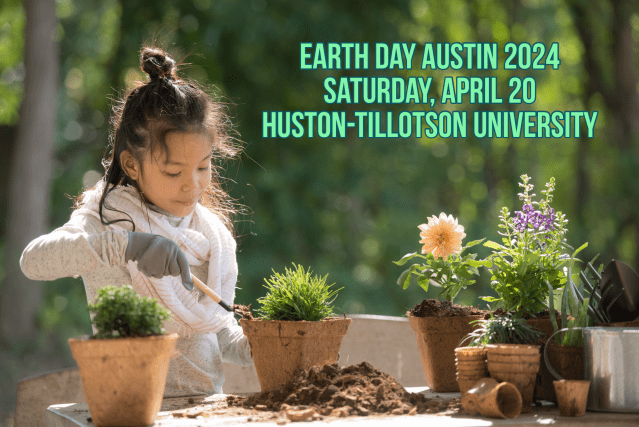
One of the things our chapter likes to do, is to staff Citizen Climate Lobby information tables at events of all kinds during the year. Kindly email jessyeubanks@gmail.com for tabling opportunities. Coming up are the SFC Farmers Market on March 30, Earth Day Austin 2024 on April 20, and UT Earth Day on April 25. Thank you!

@CCLATX will be there! If you’d like to volunteer at our table display, we’d love to have you. Or, simply attend. We would love to see you there.

Conservative Climate Conference: March 19-20, 2024 in Washington, D.C.

If you are ready to protect the people and places you love from extreme weather, there is no better place to be on March 19 and 20 than at the 2024 Conservative Climate Leadership Conference and Lobby Day. Meet other like-minded people and discuss practical solutions to stop the pollution that is overheating the planet. Then, spend a day speaking with Republican Senators and Representatives on Capitol Hill about what they can do to help.

This conference is designed for politically right-leaning attendees. It will be held at the Holiday Inn Washington Capitol. The agenda includes a how-to workshop, a full day of discussion, and on the second day, lobby meetings on Capitol Hill, concluding with a reception.

If you are unable to attend but would like to join in the climate conversation with other conservatives, Citizens’ Climate Lobby has a Conservative Outreach Action Team. The team’s mission is to increase the number of engaged right of center supporters in CCL and increase our organization’s effectiveness at working and communicating with people on the right, including elected officials. The team meets regularly on Zoom.

Facebook @CCLConservative
X @CCLConservative

Lobby Day Volunteers

Year in Review & Holiday Greetings from Susan Adams, CCL Coordinator, Third Coast Region

Holiday greetings to our generous Third Coast climate donors!

I wanted to express my heartfelt gratitude for your generosity to Citizens’ Climate Education Third Coast in 2023. Thanks to you and the other amazing supporters from around the region, we were able to have hit impactful milestones like the following:

  • Hosted our first ever Texas State Lobby Day in Austin in March, where 81 volunteers from across Texas met with 66 State House and Senate offices to talk about transmission bills.
  • Held our 9th Annual Regional Conference in New Orleans, making it our most inclusive ever by offering 50 tree ticket waivers, 42 free/discounted student tickets, and 21 travel grants (see the highlight video here).
  • Funded $6,000 in travel scholarships to 13 volunteers so that they could attend our CCL National Conference and Lobby Day in Washington, D.C. in June. 
  • Funded several rural outreach events, including the 3-day Feather Fest in Galveston, Texas in April, sending volunteers from Lubbock to Odessa, Texas to participate in a public EPA air pollution hearing, hosting a chapter relaunch in College Station, Texas, and hosting a holiday gathering in Southaven, Missippi. 
  • Supported fund raising efforts like the Austin chapter’s Tour Divide fundraising appeal.
  • Provided over $4,000  in chapter support, including tabling materials, food, and event fees for student chapters at Concordia University and Texas A&M University, and smaller chapters throughout Mississippi, Louisiana and Arkansas.

Please read more about the amazing successes of our Texas State Lobby Day and 9th Annual Regional Conference in New Orleans in these reports:

Looking to 2024, we plan to use our donor funds to support initiatives like the following:

  • Support 2024 Regional Chapter Expansion, targeting outreach events to launch or revive 15 targeted chapters in our newly enlarged Third Coast Plus region, which now includes Arkansas, Louisiana, Mississippi, Oklahoma, and Texas. Tentative targets include Corpus Christi, El Paso, Galveston, Baton Rouge and Shreveport.
  • Fund travel scholarships from across our region for the CCL National Conference in Washington, D.C., June 8 – 12.
  • Support our 10th annual Regional Conference being tentatively scheduled for October 5 at Texas A&M University Galveston. Our ability to offer free tickets and travel grants is crucial to making these events inclusive.
  • Support Get Out the Vote efforts throughout the region, including candidate climate policy forums, postcards campaigns, and more.

Want to pitch in for 2024? You can donate through our webpage here at any time! 

Finally, I’d like to share a brief video our program team created last week in honor of all that our CCL volunteers accomplished, through your support, in 2023! I can’t wait to see what we accomplish in 2024. 

Have a wonderful holiday,

Susan Adams, Coordinator for the Third Coast Region

LTE Under Consideration: COP28 – Progress, Yes! But We Need More

Re: December 14, 2023, Statesman article, “Nations across globe agree to transition away from fossil fuels”

Nearly 200 nations agree for the first time to transition away from fossil fuels. A step in the right direction with spirit of cooperation but it is a small step. In 2015, nations agreed to limit global warming to 1.5 degree Celsius above pre-industrial times. Despite ramping up of renewable power and energy efficiency to reduce emissions, warming has reached 1.2 degrees Celsius above the mid 1800s. Temperatures are trending up, not stabilizing due to large amounts of COthat has collected in the atmosphere that would continue to warm even if we stop burning fossil fuels today.

Like the Paris Accord, these agreements by nations are non-binding and aspirational. The COP28 agreement allows loopholes to powerful oil producing countries.

What can citizens of these countries do?  Reach out to your lawmakers, demand investments and policies to lower use of fossil fuels for improvement to health and well-being of people.

Kalpana Sutaria

Project Manager, City of Austin and Austin Metro Chapter, Citizens’ Climate Lobby

Submitted to the Austin American-Statesman

December 14, 2023